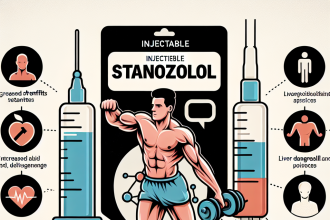
Steroids, when used improperly, can have detrimental effects on liver health. Many individuals exploring fitness enhancement often overlook the importance of understanding how these substances interact with liver function. This article aims to provide insights into protective measures and monitoring practices to safeguard liver health while using steroids.
If you want to achieve maximum results from training, check out the range at fatburnersonlineforsale.com.
Understanding the Impact of Steroids on the Liver
Anabolic steroids are synthetic derivatives of testosterone that can promote muscle growth and enhance athletic performance. However, their hepatotoxicity—harmful effects on the liver—poses significant risks. The liver processes these compounds, and improper use can lead to conditions such as:
- Hepatic Steatosis (fatty liver)
- Cholestasis (bile flow blockage)
- Peliosis Hepatitis (blood-filled cysts in the liver)
- Liver tumors
Protective Measures
To minimize the risk of liver damage while using steroids, consider implementing the following protective measures:
- Consult a Healthcare Professional: Always seek medical advice before starting any steroid regimen.
- Dosage Control: Stick to recommended dosages to limit exposure to harmful effects.
- CYC (Cycling): Limit the duration of steroid usage by cycling on and off to give the liver time to recover.
- Liver Support Supplements: Consider supplements such as milk thistle or N-acetylcysteine (NAC) that may offer liver protection.
Monitoring Liver Health
Regular monitoring plays a crucial role in maintaining liver health during steroid use. Key practices include:
- Routine Blood Tests: Periodically check liver enzyme levels (ALT, AST, ALP) to assess liver function.
- Ultrasound Examinations: Utilize imaging techniques to detect physical changes in the liver.
- Monitor Symptoms: Be vigilant about unusual fatigue, jaundice, abdominal pain, or any other signs indicative of liver distress.
- Maintain Hydration: Ensure adequate fluid intake to aid liver function and detoxification.
Conclusion
While steroids can yield significant training benefits, their potential impact on liver health cannot be underestimated. By understanding the risks and implementing protective measures and monitoring practices, individuals can prioritize their liver health while pursuing their fitness goals.